Recycling and Sustainability — House Clearance Barkingside
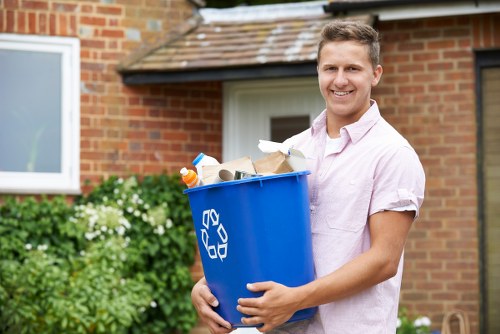 House Clearance Barkingside takes an active role in creating an eco-friendly waste disposal area across the borough. Our approach to house clearance in Barkingside emphasises reducing landfill, reusing materials and increasing recycling rates through careful sorting and local partnerships. We combine practical on-site separation with route optimisation and an expanding low-emission fleet to ensure each clearance helps the local environment. This page outlines targets, operations, charity partnerships and how we integrate the borough's waste separation practices into every job.
Every team member hired for Barkingside house clearance follows a clear checklist: identify reusable items, segregate recyclables, and prepare hazardous or bulky waste for transfer. We work in step with the London Borough’s approach to waste separation — ensuring glass, paper and card, plastic, food waste and garden waste are separated wherever possible. The process reduces contamination and increases the volume of material that can be processed at municipal facilities and local materials recovery centres.
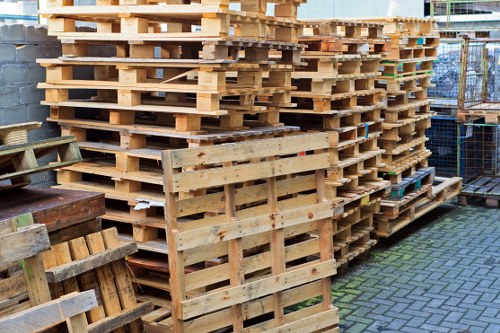 Sustainability targets are central to our service. Our current recycling percentage target is a 65% recycling rate by 2030 for all clearances in the Barkingside area, with an ambition to reach 70% by 2035. We track metrics per job and per neighbourhood so we can report improvements and adapt operations. Achieving this involves assessment of diverted waste streams (reuse, recycling, composting), better segregation at source and increased donations to local charities that give items a second life.
Local Transfer Stations and Materials Recovery
To support an eco-friendly waste disposal area, we coordinate collections with nearby municipal transfer stations and materials recovery facilities (MRFs) serving Redbridge and neighbouring boroughs. Items collected during Barkingside clearance jobs are taken to authorised facilities where mixed loads are separated and specialist recyclers handle appliances, metal, timber and textiles. Working with these transfer stations reduces double handling and lowers the carbon footprint of transporting waste across London.
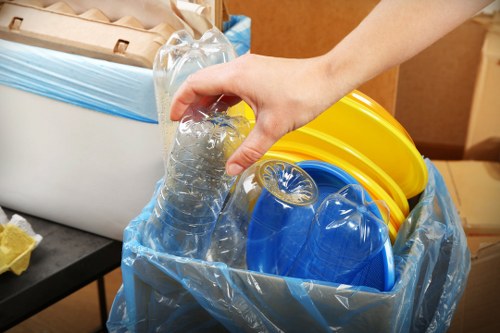 In addition to general MRFs, we use licensed transfer sites that accept electronic waste, batteries, bulky furniture and hazardous household items. This ensures safe processing and recycling in accordance with current regulations. Our teams prepare detailed load manifests so materials destined for recycling streams arrive ready for processing, which increases recovery rates and reduces contamination — a key factor in hitting our recycling percentage target for the Barkingside area.
We also maintain a clear chain of custody for donated goods, recyclable materials and items that require special handling. This transparency helps local authorities and residents trust that bulky clearances are contributing to the sustainable rubbish area vision for Barkingside, rather than simply moving waste to other parts of the city.
Charity Partnerships, Reuse and Low-Carbon Vehicles
Our house clearance in Barkingside prioritises reuse by partnering with local and national charities. We regularly coordinate with organisations such as Emmaus, British Heart Foundation and Age UK, along with community projects and furniture reuse schemes. These partnerships ensure good-quality items are diverted from the waste stream and benefit people in the local area — a tangible element of a sustainable rubbish area strategy.
 The fleet used for Barkingside clearance work is being replaced with low-carbon vans — electric and hybrid vehicles — and modern Euro 6 diesel where necessary. In addition, we use route optimisation software to lower mileage and emissions, and schedule multi-drop runs to minimise empty returns. This combined strategy of cleaner vehicles and smarter logistics reduces the carbon footprint of each clearance and supports the council’s broader sustainability agenda.
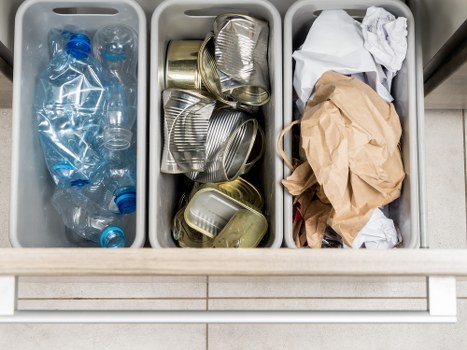
 Practical recycling activity for the borough includes segregating dry mixed recycling, collecting garden waste separately, and ensuring food waste is diverted to anaerobic digestion or composting where available. For house clearance in Barkingside this translates to on-site separation of metals, timber, mattresses and textiles, plus safe removal of white goods for specialist recycling. We also run regular community-awareness initiatives to encourage residents to use council recycling points and local transfer stations responsibly.
To summarise our approach: House Clearance Barkingside is committed to measurable sustainability targets, strong local partnerships and continual improvement of our low-emission operations. Our work ties directly into the borough’s waste separation policies and the network of transfer stations and MRFs that process recovered materials. By focusing on reuse, recycling and efficient transport we help create a more sustainable rubbish area and an environmentally responsible model for house clearances across Barkingside.
Key sustainable practices we follow include:
- Segregation at source: separating recyclables, reusables and hazardous items on-site
- Charity diversion: donating usable items to local and national charities to maximise reuse
- Low-carbon logistics: electric/hybrid vans and optimised routing to cut emissions
- Use of authorised transfer stations: ensuring correct processing and higher recycling yields
Through these actions, every Barkingside house clearance contributes to a cleaner, greener neighbourhood. We aim not only to meet our 65% recycling target by 2030 but to exceed it by embedding circular-economy principles into how clearances are planned and executed, delivering lasting benefits to residents and the environment.